Warning Signs — Meaning and Full List
What are warning signs?
Warning signs alert you to an unusual situation on the road that requires extra attention: sharp curves, steep gradients, slippery surfaces, unguarded level crossings, or animals nearby. They are triangular, with a white background and a red border. This is the largest sign group in the Portuguese Highway Code and one of the most common in the IMT theory test, precisely because they require the driver to anticipate a hazard before seeing it directly. On the road, spotting a warning sign in time lets you reduce speed and adjust your driving, helping prevent accidents.
Full list of warning signs (54)
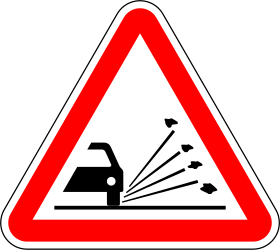
Loose chippings and stones on the road warning
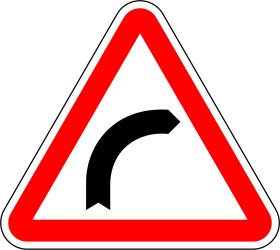
Road bends to the right
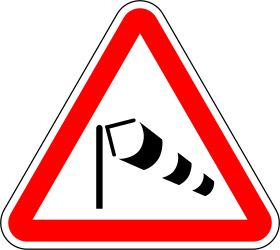
Heavy crosswinds in area warning
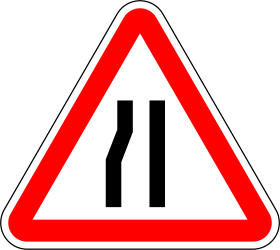
Road narrows on the left
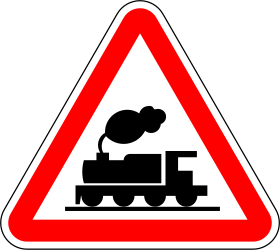
Rail crossing without barriers ahead
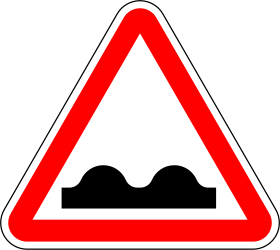
Poor road surface ahead
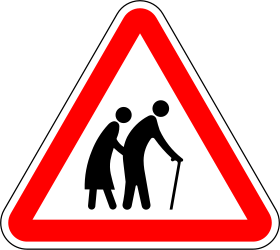
Warning for elderly
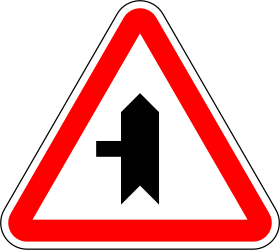
Crossroad ahead with side road to left
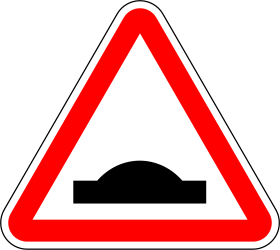
Speed bumps in road
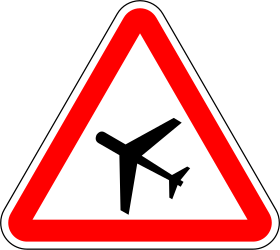
Warning for low lfying planes, aircraft and jets
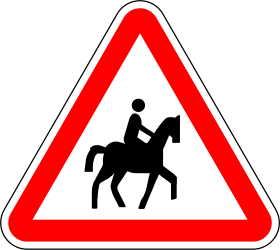
Warning for equestrians
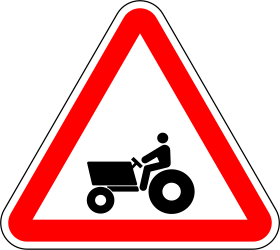
Warning for tractors
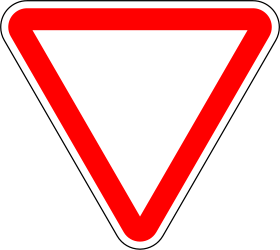
Give way to all traffic
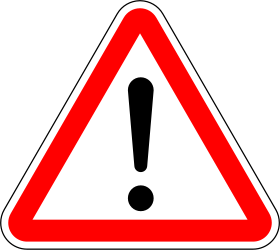
Cars not allowed - prohibited
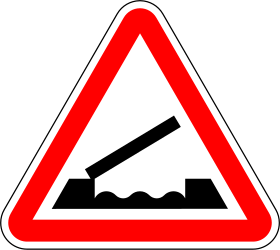
Movable bridge warning
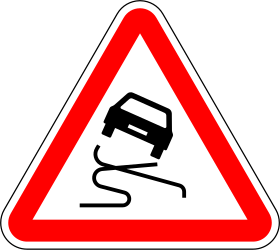
Slippery road surface ahead
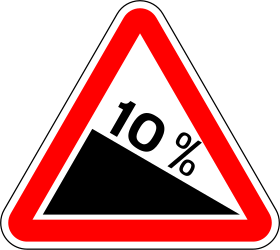
Steep descent ahead
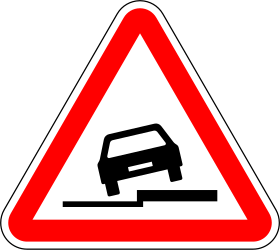
Warning for a soft verge
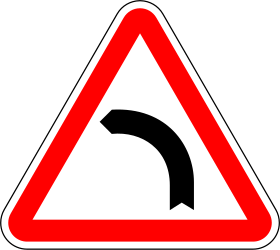
Road ahead curves to the left side
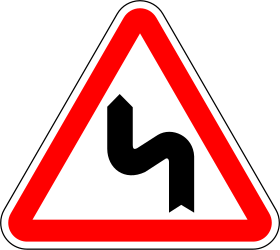
Double curve ahead, to the left then to the right
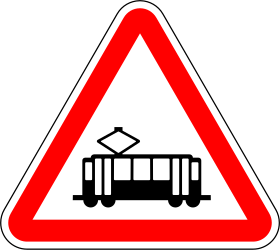
Warning for rail vehicle - trams
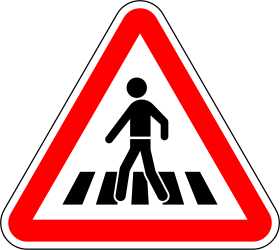
Crossing for pedestrians warning ahead
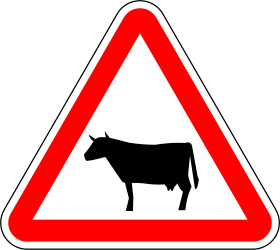
Cattle crossing
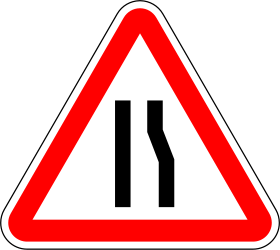
Road gets narrow on the right side
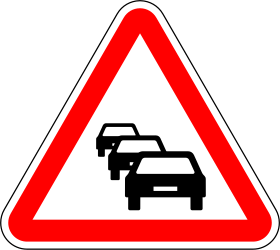
Warning for traffic jams
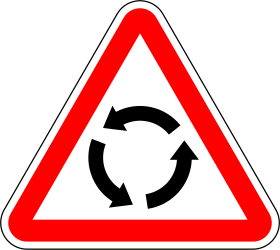
Roundabaout ahead
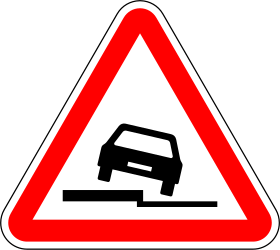
Warning for a soft verge
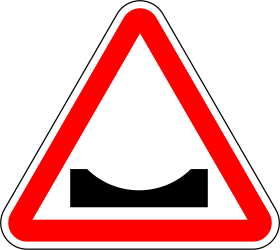
Warning for a dip in the road
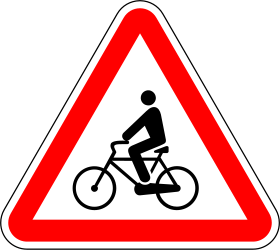
Warning for bikes and cyclists
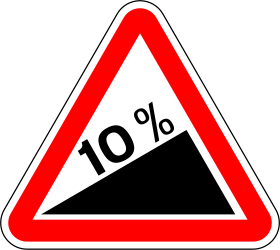
Steep ascent ahead
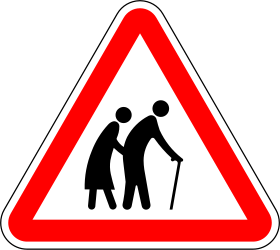
Warning for elderly
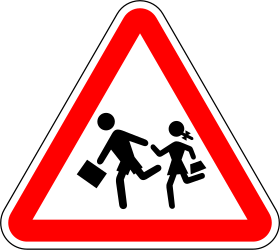
Warning for children and minors
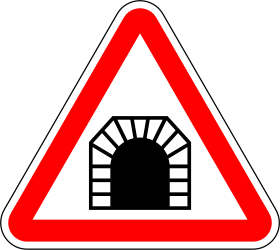
Warning for a tunnel
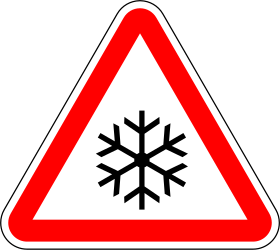
Warning for snow and sleet
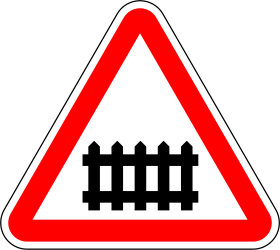
Railroad crossing ahead with barriers
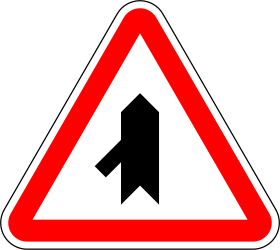
Crossroad with sharp side road on left side
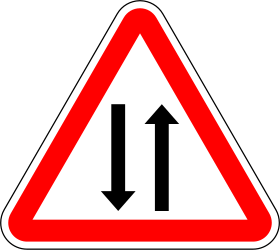
Two-way traffic ahead
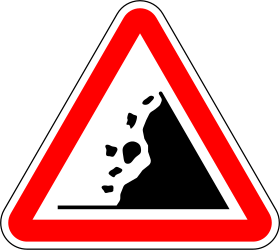
Falling rocks in road - area warning
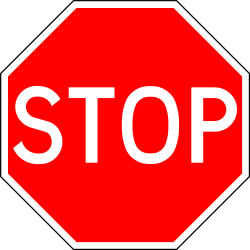
Stop and give way to all traffic
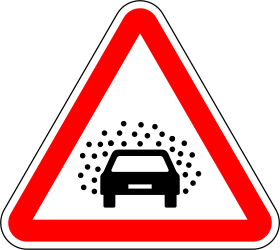
Warning of poor visibility due to rain, fog or snow
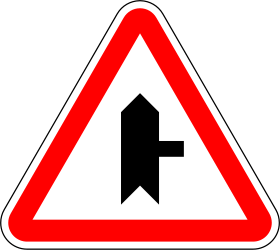
Side road on the right warning
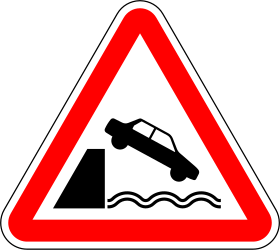
Warning for a quayside or riverbank
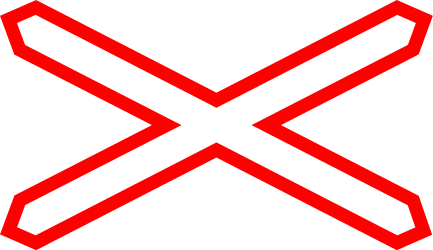
Rail crossing ahead with 1 railway
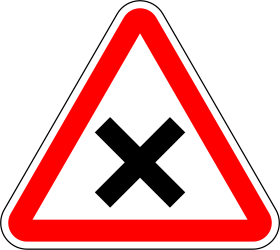
Uncontrolled crossroad ahead
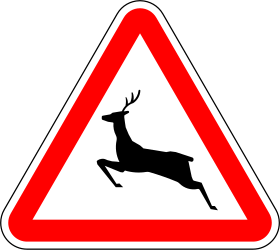
Deer crossing in area - road
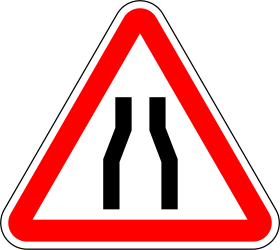
road narrows ahead
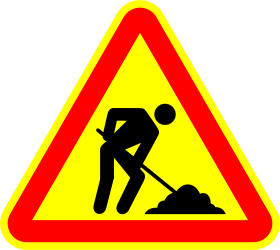
Roadworks ahead warning
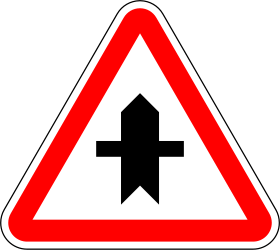
Crossroad ahead, side roads to right and left
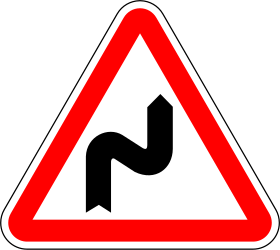
Road bends right then left
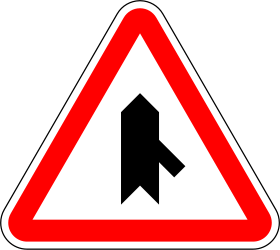
Crossroad with sharp side road on right side
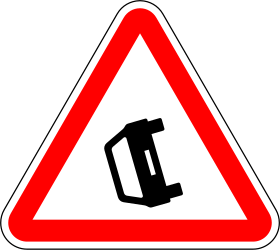
Warning for accidents
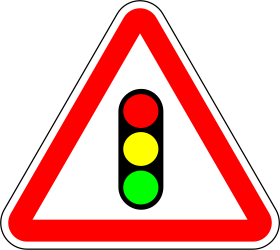
Traffic light ahead
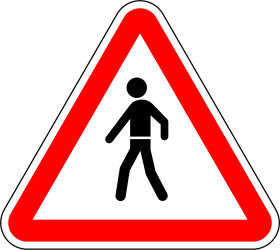
Warning for pedestrians
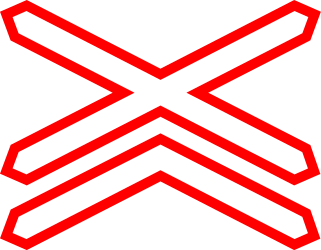
Rail crossing ahead with more than 1 railway
Exam tips: warning signs
Remember that a triangular sign never gives an order — it only warns. If an answer option says "it is forbidden" or "it is mandatory", it's usually wrong for this type of sign.
Outside built-up areas, warning signs generally apply about 150 meters before the hazard; inside built-up areas that distance is shorter. A supplementary plate under the sign can show the exact distance.
Pay attention to the order of curves on "double curve" signs: the question may test whether the first curve is to the left or right, not just that there are two curves.
Distinguish a "crossroad" (a side road with traffic in both directions) from a "T-junction" (the main road ends there) — the difference is a small pictogram detail that's easy to miss under time pressure.
Common mistakes with warning signs
Confusing a curve with a crossroad
"Road bends to the right" and "Crossroad with side road on the right" share the triangular shape and a similarly angled line, but mean very different things: one is about the shape of the road itself, the other about a road joining it.
Treating the sign as a command
A frequent mistake is thinking a warning sign, such as "Slippery road surface", forces a specific action (for example, forces you to stop). In reality it only requires caution and an adjustment of speed — there is no legally defined action.
Missing level-crossing signs
"Rail crossing without barriers" and "Rail crossing with barriers" call for different behavior: without barriers, the responsibility to stop rests entirely with the driver, which is usually the key point of the exam question.
Frequently confused signs in warning signs
These pairs show up side by side in the exam precisely because they look alike — compare them closely.
Rail crossing without barriers ahead
Railroad crossing ahead with barriers
The train pictogram is the same in both — the difference is the fence/gate drawn around it, easy to miss at speed.
Warning for a soft verge
Slippery road surface ahead
Both warn of loss of grip, but one refers to the road verge (off the driving lane) and the other to the road surface itself — the correct answer depends on where the hazard is.
Already know the warning signs? Test what you learned with a quick quiz or a full mock exam.