Prohibitory Signs — Meaning and Full List
What are prohibitory signs?
Prohibitory signs indicate what you are not allowed to do on a road: overtake, park, enter against the flow of traffic, or exceed a given speed. They almost always have a white background with a red band or border, which makes them easy to spot at a glance. In the IMT theory test they are one of the most frequently tested topics, since ignoring a prohibitory sign usually amounts to a traffic offense — and in some cases a serious one, with a fine and points deducted from your licence. In everyday driving, recognizing them quickly helps you avoid fines and dangerous situations, especially at intersections and in urban areas.
Full list of prohibitory signs (49)
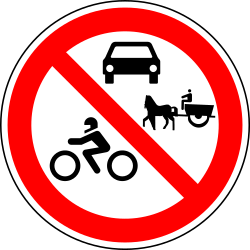
Motorcycles, cars and horse carts prohibited
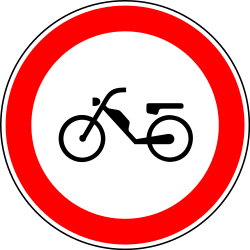
Mopeds prohibited
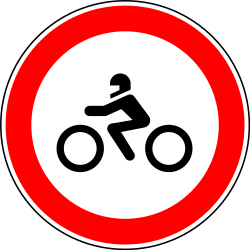
Motorbikes - Motorcycles prohibited
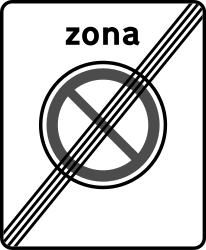
End of the zone where parking is prohibited
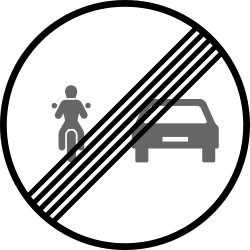
End of the overtaking prohibition for motorcycles
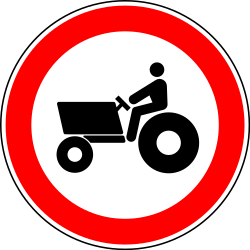
Tractors prohibited
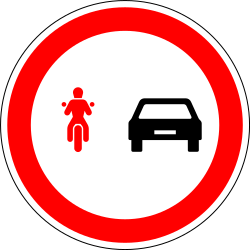
Overtaking prohibited for motorcycles
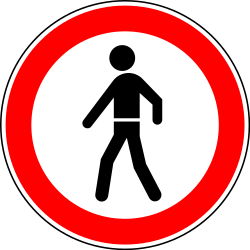
Pedestrians not permitted
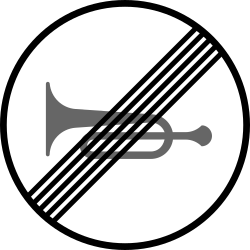
End of the prohibition to use the horn
.png)
No turning / u-turn allowed
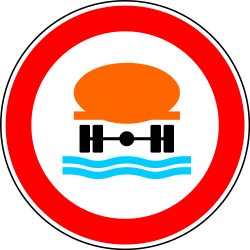
Vehicles with polluted fluids prohibited
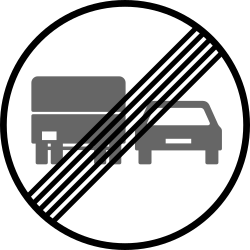
End of the overtaking prohibition for trucks
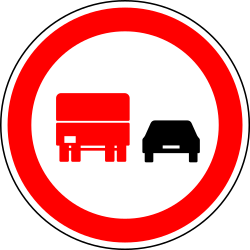
Overtaking prohibited for trucks
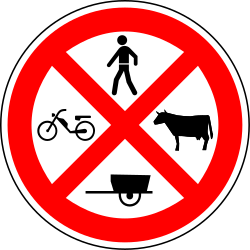
Pedestrians, mopeds, cattle and handcarts prohibited
.png)
No entry (one-way traffic)
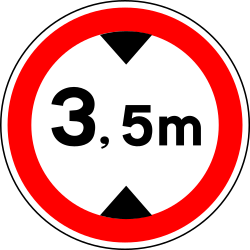
Height restriction ahead
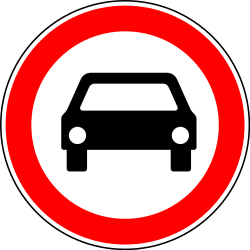
Vehicles - Cars prohibited
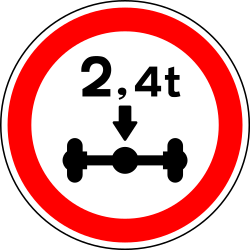
Vehicles where axle weight heavier than indicated prohibited
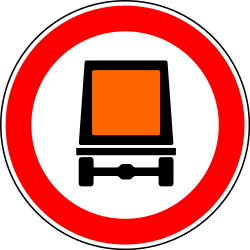
Vehicles with dangerous goods prohibited
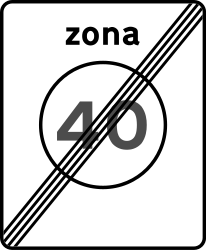
End of the zone with speed limit
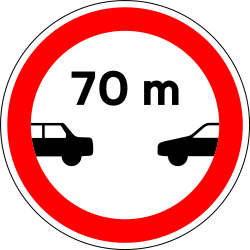
Leaving less distance than indicated prohibited
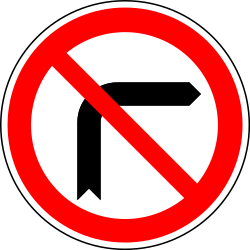
Turning right prohibited
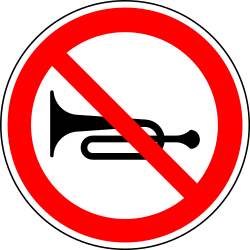
Using the horn prohibited
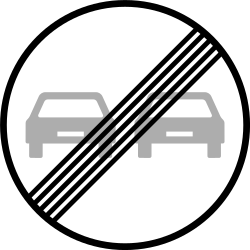
End of the overtaking prohibition
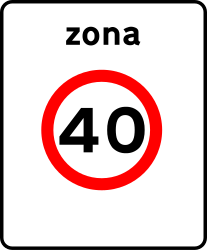
Begin of a zone with speed limit
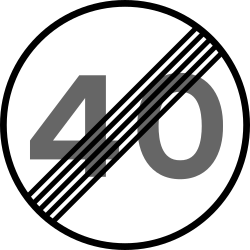
Speed limit ends
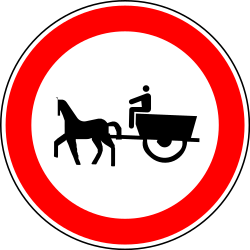
Horse carts prohibited
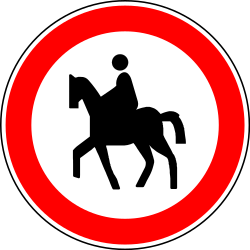
Equestrians prohibited
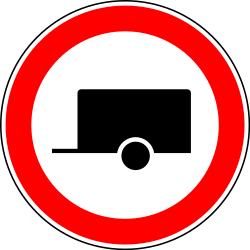
Trailers prohibited
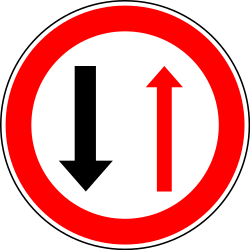
Give way to oncoming traffic, road narrows
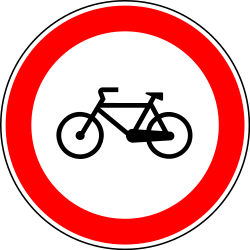
Cyclists not permitted
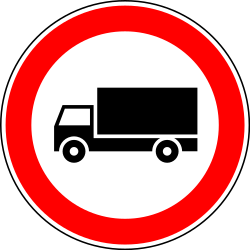
Lorries - Trucks forbidden
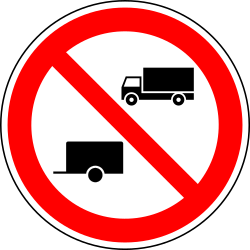
Trucks and trailers prohibited
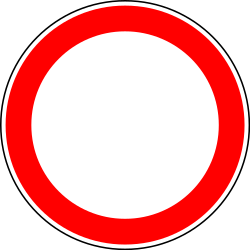
Entry not allowed / forbidden
.png)
Entry not allowed / forbidden (checkpoint)
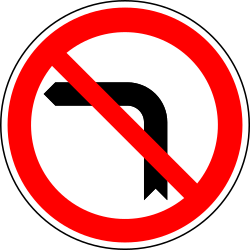
Turning left prohibited
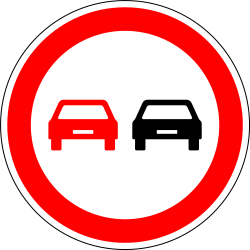
Overtaking not allowed
.png)
Speed limit
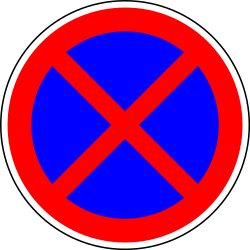
Stopping and parking forbidden
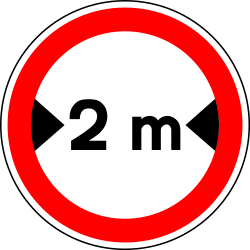
Any vehicles that are wider that indicated forbidden
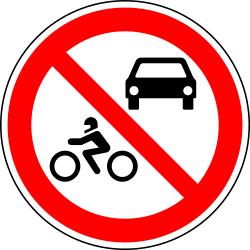
Motorcycles and cars prohibited
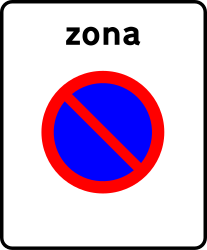
Begin of zone where parking is prohibited
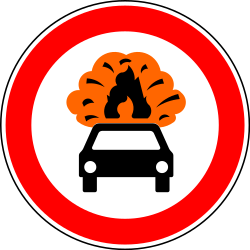
Vehicles with explosive materials prohibited
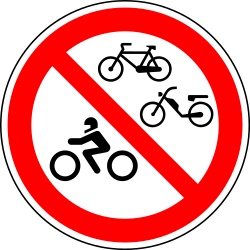
Cyclists, mopeds and motorcycles prohibited
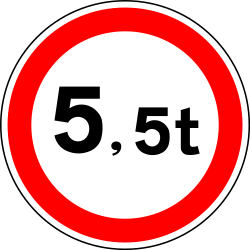
Vehicles weighing heavier than indicated forbidden
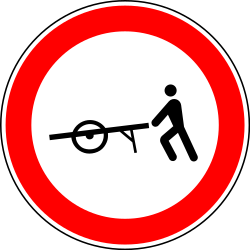
Handcarts prohibited
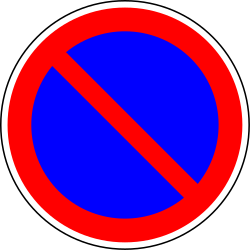
No parking
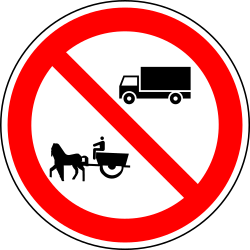
Horse carts and trucks prohibited
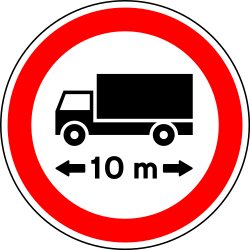
Vehicles longer than indicated length prohibited
Exam tips: prohibitory signs
Always check the pictogram detail before answering: "No parking" has a single bar, while "No stopping or parking" has a cross — that one-line difference changes the correct answer.
Prohibitory signs often come in "start/end" pairs: if you see a sign with a diagonal bar crossing out the pictogram, it usually marks the end of a previous prohibition, not a new rule.
Don't confuse the speed limit sign (red circle, mandatory) with the recommended speed sign (blue rectangle, purely informational) — the exam often places them side by side as distractors.
For questions about specific vehicles (trucks, mopeds, trailers), read the pictogram carefully — several wrong answer options only change that one vehicle detail.
Common mistakes with prohibitory signs
Mixing up "turn prohibited" with "mandatory direction"
Many candidates confuse "No left turn" (white background, red bar) with the mandatory sign "Mandatory left direction" (blue background). The colors mean opposite things — red prohibits, blue requires — but under time pressure it's easy to mix the two up.
Missing zone prohibitions
Signs like "Start of a no-parking zone" apply to an entire area, not just the spot where the sign is placed. A common mistake is assuming the rule ends after the next sign, when it actually only ends at the matching "End of zone" sign.
Confusing types of no-entry
"No entry" (red circle with a white bar) and "No entry (one-way street)" look similar but apply to different contexts — the first prohibits entry into any road, the second is specific to one-way streets.
Frequently confused signs in prohibitory signs
These pairs show up side by side in the exam precisely because they look alike — compare them closely.
No parking
Stopping and parking forbidden
Only the cross changes: you may stop briefly (e.g. to let someone out) under the first sign, but no stopping at all is allowed under the second.
Overtaking not allowed
Overtaking prohibited for trucks
The first prohibits overtaking any vehicle; the second only applies to heavy vehicles — check for the truck pictogram.
Entry not allowed / forbidden
No entry (one-way traffic)
Visually similar, but the second is exclusive to one-way streets and often appears alongside "One-way" signs facing the opposite direction.
Already know the prohibitory signs? Test what you learned with a quick quiz or a full mock exam.